248-344-9700
39555 Orchard Hill Place, Suite 215, Novi, MI 48375


Recent Blog Posts
Determining the Child’s Best Interests in Michigan Custody Proceedings
 Traditionally, when a couple got divorced, the child was thought to be better off living with its mother for the majority of the time, rather than with its father. Because of that, sole custody was typically granted to the mother and the father was allowed visitation rights. In today’s age, it’s generally thought that joint custody is the ideal situation for children. The Michigan Child Custody Act states that it is important for a child to have a relationship with both of his or her parents, if possible. Child custody can be a hot topic when it comes to divorce, but custody arrangements are always determined with the child’s best interests in mind.
Deciding Factors for Custody Arrangements
Parents are urged to come to a custody agreement on their own, but in the event that they cannot agree, the court must step in and determine the arrangement that is in the child’s best interest. Michigan courts consider the following factors when determining a child’s best interest in custody cases:
Parenting Time Issues: Alcohol or Drug Problems
 Generally speaking, Michigan law holds that it is in a child’s best interest to maintain continuous relationships with both parents after a divorce. But what if you suspect that your ex is using illegal drugs or abusing alcohol or prescription medications? For example, your ex might appear drunk or high when the children are picked up or dropped off, or the children might tell you that they have seen drug use or excessive drinking.
When the safety of your children is at risk, and you are unable to work out a satisfactory solution with your ex directly, you may need to take legal action. Your attorney can file a motion with the family court requesting specific actions or changes to your parenting time arrangements to protect the best interests of the children. Here are some of your options.
Request Testing and/or Investigation for Substance Abuse
If you suspect that your ex is unable to properly care for your children due to drug or alcohol abuse, the court can order drug testing. A Friend of the Court investigation can also be ordered to obtain more details about the situation and recommendations from an objective investigator.
How Drug or Alcohol Abuse Can Impact a Michigan Divorce
 When one or both parties to a divorce suffer from alcohol use disorder (the latest medical term for alcoholism) or drug addiction, the divorce process can become significantly more complicated.
For one thing, settlement discussions can be much more difficult. Long-term drug use or alcohol abuse can actually cause brain damage, reducing a person’s ability to think logically, make decisions, and control their behavior. There are emotional effects as well: an estimated 30-40 percent of alcoholics also suffer from some type of depression. Bottom line, it is likely to take longer to reach a settlement and get the divorce finalized when you or your spouse abuses drugs or alcohol.
From a strictly legal point of view, a spouse’s drug or alcohol use can impact decisions regarding the division of assets, spousal support, child custody, and parenting time.
Drug or Alcohol Abuse Does Not Affect the Granting of a Divorce
Keeping Children Healthy and Happy During a Divorce
 When two adults divorce, you have to make a lot of changes in a relatively short period of time: where you live, who you live with, how you manage your money, who your friends are, and so on. As hard as it is to deal with all of these changes as an adult, imagine how much more difficult it can be for a child who has no control over custody and parenting time decisions.
What can you do to keep your children healthy and happy despite the divorce? Here is some simple advice compiled by the Oakland County Friend of the Court agency with input from professionals who have helped hundreds of divorcing families.
1. Stick to a routine.
Make “predictability” a top priority. Stick to pre-divorce routines for mealtimes, bedtimes, chores, etc. wherever you can. Establish new routines to help the children maintain regular contact with both parents, as well as their friends and other relatives.
Why Does Michigan Have a Waiting Period for Divorce?
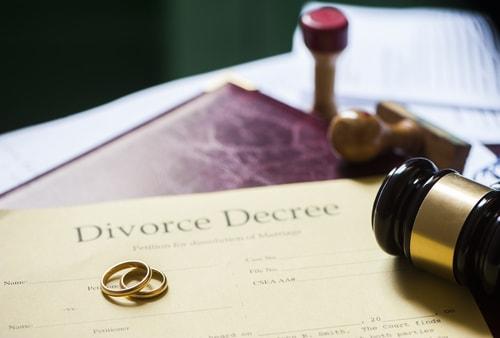 With our lives running on Internet time — in minutes, not months — you may well wonder why there is a two- to six-month minimum waiting period between the initial filing and the finalization of a Michigan divorce.
Here are four good reasons the law requires these waiting periods and how they can actually benefit you.
1. Opportunity for Reconciliation
Marital tension can sometimes build up to the point of eruption, with a decision to divorce made in the heat of anger and frustration. A waiting period gives the couple time to cool off and reconsider whether divorce is really the solution they want.
Once a divorce complaint is filed in court, the looming reality of separation can trigger couples to begin talking about their issues in a new way. Or the spouse who initiated the divorce may move out of the family home and realize that life alone is not what they thought it would be. The waiting period allows the couple time to explore the possibility of reconciliation.
Adopting a Stepchild in Michigan: Benefits and Process
 If you have been helping to raise your spouse’s children for some time now, you probably consider them “your” children already, even if they are not “yours” biologically and legally. Obviously, you cannot do anything about the biological part. But have you thought about legally adopting your stepchildren?
Benefits of Stepparent Adoption
You might choose to adopt your spouse’s child for any or all of these reasons:
- To secure for you all the legal rights of a parent to make healthcare, educational, and other decisions on behalf of the child. This could be crucial if the child has a medical emergency.
- To protect your long-term rights as a parent in case of divorce or the death of your spouse. This could become urgent should your spouse become seriously ill.
Three Advantages of Being First to File for Divorce
 Are you thinking about a divorce, but are unsure if you want to be the one to actually start the legal process? This might tip you into action: The spouse who files for divorce first has several advantages over the other spouse.
1. Choosing the Court Location
When you file for divorce, you must do it in the state and county where you currently live. Suppose that you currently live in Oakland County, Michigan, and the person you are divorcing has recently moved to Illinois. If you file first, your divorce will be handled in the Oakland County court. But if your spouse files first, your divorce will be handled by a court in Illinois, which could prove very inconvenient for you.
Note that each state has its own residency requirements for divorce. For a Michigan divorce, you must have lived in the state for at least 180 days and in your county for at least 10 days. In contrast, Illinois only requires 90 days of residency prior to filing for divorce.
Can Your Spouse Prevent Your Divorce by Refusing to Sign the Papers?
 In the rom-com movie “Sweet Home Alabama,” Melanie (played by Reese Witherspoon) wants a divorce, but Jake (Josh Lucas) has refused to sign the papers for seven years. While Hollywood movies are not always known for their realism, this particular plot point may leave many wondering: could a resistant spouse really hold up a divorce proceeding for that long, just by refusing to sign a piece of paper?
In Michigan, you may be relieved to know, the short answer is “no.” If one spouse wants a divorce, the other spouse cannot prevent it. If your spouse refuses to participate in the process, your divorce can be finalized within a matter of months.
Signatures Required for a Michigan Divorce
There are several points in the Michigan divorce process when legal documents have to be signed. But there is also a defined process for what happens if one spouse refuses to participate in the process. Here is how that works:
3 Things to Do if You Are Unexpectedly Served with Divorce Papers
 Most married people naturally assume that they will have some warning of marital problems--a discussion about marriage counseling, perhaps, or mention of a trial separation--before anyone actually takes legal action. Yet quite a few people are completely surprised when they are served with divorce papers.
What should you do if your spouse files for divorce unexpectedly? Here are three things you can do after being served with Michigan divorce papers:
1. Give Yourself a Little Breathing Space
Upon receiving divorce papers, you may feel furious, tearful, sick to your stomach with anxiety, or all of these. Giving yourself a day or two to recover before taking any further actions can help you process the emotional upheaval and prepare for how best to respond.
2. Start By Reading the Summons and Complaint Pages
Ex Etiquette: Keeping Things Civil During and After Divorce
 The vast majority of divorcing and divorced spouses do not want to fight. However, a dynamic of disagreeableness, once started, can be very tough to change. If you are in this situation, what can you do? We have two suggestions for you.
First, consider working with an attorney who practices collaborative law. This practice was developed to help couples resolve highly contentious issues in a divorce without having to resort to litigation, where key decisions about the couple’s future get made by a judge.
Collaborative Divorce Starts With an Agreement, or Contract
Lawyers deal with contracts every day. But what, you may be wondering, do contracts have to do with a divorce?
In legal terms, marriage is a contract between two people. But it is one formed between two people who love each other and want to be bonded to one another.





| 39555 Orchard Hill Place, Suite 215, Novi, MI 48375 | |
| 248-344-9700 |



Contact Our Firm
 The use of the Internet or this form for communication with the firm or any individual member of the firm does not establish an attorney-client relationship. Confidential or time-sensitive information should not be sent through this form.
I have read and understand the Disclaimer and Privacy Policy.