248-344-9700
39555 Orchard Hill Place, Suite 215, Novi, MI 48375


What Happens if My Spouse Files for Bankruptcy During Divorce?
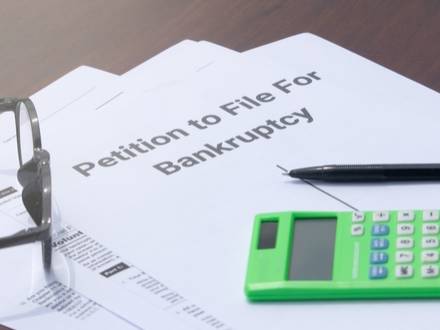 People usually don’t get divorced because their life together is simple and easy. Financial issues in particular cause marital strife: According to the Institute for Divorce Financial Analysis, between 20 and 40 percent of all divorces involve serious financial problems.
If you are in the process of getting a divorce when you get the news that your spouse has decided to file for bankruptcy, you aren’t alone in asking serious questions. What does bankruptcy mean for your divorce? Will you get the marital property you need? Does bankruptcy delay the entire divorce process?
The truth is that filing for bankruptcy during divorce does create complications. Having a good Northville, MI divorce attorney to explain how bankruptcy and divorce come together under Michigan and federal law will help you protect yourself and get through your divorce intact.
Does Bankruptcy Stop the Divorce Process?
When someone files for bankruptcy, an automatic stay under 11 U.S.C. Section 362 immediately stops most legal actions against them. This powerful protection prevents creditors from continuing their collection activities.
The automatic stay also generally stops property division during divorce. Courts cannot divide marital assets or debts while the bankruptcy stay is in effect. If your divorce involves questions about retirement accounts, who gets the house, or how debts will be allocated, these issues must wait until the bankruptcy court lifts the stay or the bankruptcy case concludes.
However, the automatic stay does not prevent all divorce proceedings. Custody, visitation, and child and spousal support are exempt from the automatic stay. You can continue figuring out these issues even while your spouse is in bankruptcy.
This creates a split in your divorce case. Issues related to children and support move forward normally. Property and debt division get put on hold. Many divorcing couples find this frustrating, but the law protects both the bankruptcy process and important family law matters.
How Does Bankruptcy Affect Property Division During Divorce?
Michigan Compiled Laws Section 552.19 gives the court the authority to divide marital property fairly based on factors including marriage length, each spouse's contributions, and economic circumstances. But property division in divorce becomes complicated when bankruptcy enters the picture.
When your spouse files for bankruptcy, all their property becomes part of the bankruptcy estate, including their ownership in property you own together. The bankruptcy trustee takes control of non-exempt assets to pay creditors and has priority over this property. Even if the divorce court awarded you certain assets, the bankruptcy trustee might liquidate them to pay creditors. You could lose property you thought you were receiving in the divorce.
What Happens to Credit Card Debt if One Spouse Files for Divorce and Bankruptcy?
Credit card debt, medical bills, personal loans, and similar unsecured debts can be discharged in bankruptcy. If your divorce agreement says your spouse is responsible for a joint credit card, but they discharge it in bankruptcy, creditors can still go after you for payment. Your divorce decree does not apply to creditors who were not parties to your divorce. A bankruptcy discharge only applies to the person who filed; it does not erase your liability for the same debt.
You can seek something called "indemnification" from your spouse if they were supposed to pay a debt under the divorce agreement but discharged it in bankruptcy. Indemnification is a legal way of saying, "If the creditor makes me pay this debt, you have to pay me back because the divorce order said it was your responsibility." However, getting your spouse to pay you will depend on your spouse having income or assets after bankruptcy. Many people emerge from bankruptcy with little ability to pay anything at all.
Secured debts like mortgages and car loans are handled differently during bankruptcy. Your spouse might "reaffirm" these debts, which means choosing to keep the property and continuing to make payments. Or they might surrender the property, leaving you to deal with the consequences if your name is also on the loan.
Can My Spouse Get Out of Paying Child Support or Alimony if They File for Bankruptcy?
Child support and spousal support get special treatment in bankruptcy. They cannot be discharged, so your spouse remains responsible for paying support, even after bankruptcy.
If your spouse owes past-due support, bankruptcy does not eliminate this debt. You can continue collecting overdue support through wage garnishment, tax refund interception, and other enforcement mechanisms even while the bankruptcy is pending.
Child and spousal support payments also continue during bankruptcy. Your spouse must keep paying child support and alimony as ordered. Not paying support during bankruptcy can result in your spouse being held in contempt of court. At Elkouri Heath, PLC, we can help you ask the court for child support and alimony during your divorce, and help you take action against your spouse if they do not pay court-ordered support.
If Your Spouse Files for Bankruptcy During Divorce, Should You File for Bankruptcy Too?
Sometimes filing for bankruptcy yourself makes sense when your spouse files during divorce. If you have significant marital debt and your spouse discharges their responsibility, you might be left with debts you cannot afford.
Filing for bankruptcy protects you from creditors pursuing joint debts your spouse discharged. It gives you a fresh start alongside your spouse rather than being buried under debt they are trying to escape from.
That being said, filing for bankruptcy is a serious process with serious consequences for your credit and future borrowing ability. Before you make any decisions, you should consult with both a divorce attorney and a bankruptcy attorney about whether filing for bankruptcy serves your interests. This decision requires analyzing your debts, assets, income, and your goals in your divorce.
Call an Oakland County, MI Divorce Attorney Today
If you or your spouse files for bankruptcy during divorce, you need a lawyer who understands how this can affect your options in the divorce process. Protecting your financial future requires navigating two complex legal systems simultaneously.
Contact Elkouri Heath, PLC at 248-344-9700 for a free consultation about your case. Our Northville, MI divorce lawyers have more than 20 years of experience providing clients with compassionate, customized representation and personal attention.




| 39555 Orchard Hill Place, Suite 215, Novi, MI 48375 | |
| 248-344-9700 |



Contact Our Firm
 The use of the Internet or this form for communication with the firm or any individual member of the firm does not establish an attorney-client relationship. Confidential or time-sensitive information should not be sent through this form.
I have read and understand the Disclaimer and Privacy Policy.